
Contributed by JoLane Collins, Realtor®
______________________________________________
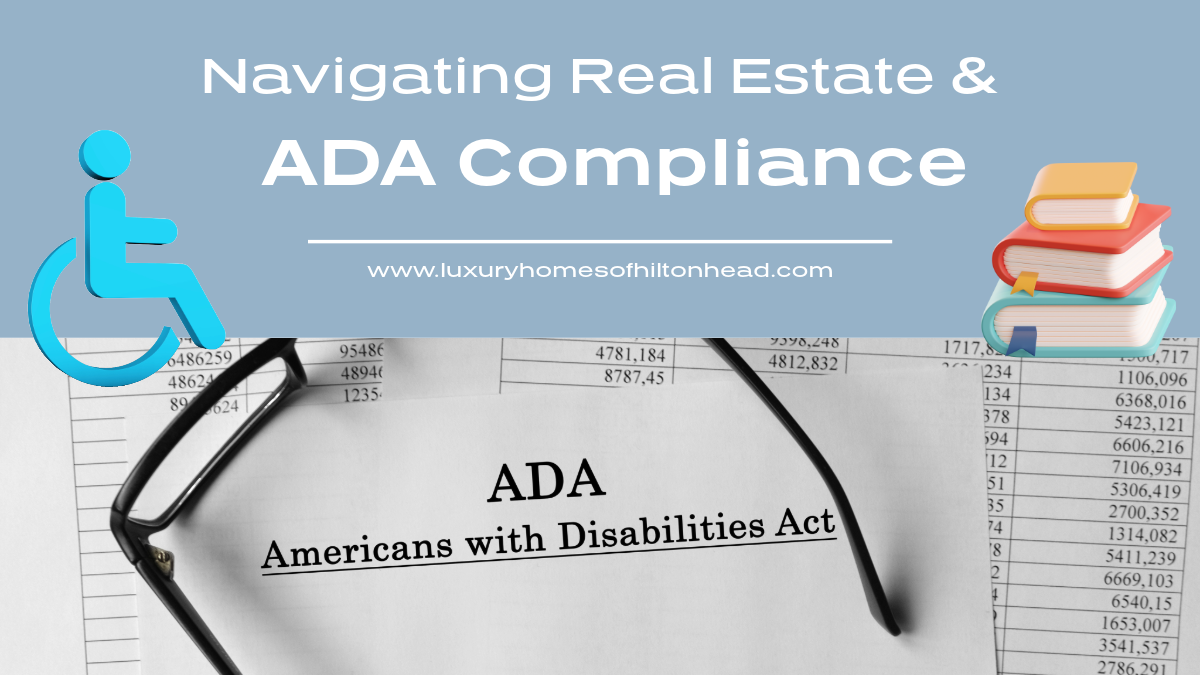
The Americans with Disabilities Act ("ADA") stands as a pivotal piece of legislation that transformed the landscape of accessibility across various sectors, including real estate. Enacted in 1990, the ADA aimed to eliminate discrimination against individuals with disabilities and ensure equal opportunities and access to public accommodations. In the real estate industry, adhering to ADA compliance standards is not only a legal requirement, but also, a crucial aspect of creating inclusive spaces and accommodating diverse needs.
___________
Key Considerations for ADA Compliance in Real Estate
Physcial Accessibility
- Entrances and Exits: Providing accessible entrances with ramps or level access, and ensuring doorways meet width requirements for wheelchair access.
- Interior Spaces: Designing interiors with adequate maneuvering space, accessible pathways, and properly positioned amenities like counters, switches, and outlets.
Facility Features
- Restrooms: Constructing accessible restrooms with proper grab bars, sink height, and clear floor space for wheelchair users.
- Hearing Impairment: Installing assistive listening devices or visual alerts for emergency systems to accommodate those with hearing impairments.
Implications for Real Estate Professionals
Property Listings and Disclosures
- Provide accurate and comprehensive information about a property’s accessibility features in listings to assist potential buyers or tenants.
- Disclosing any known accessibility issues or modifications made to achieve compliance.
Client Accomodations
- Understand and address clients’ specific needs for accessible properties and assisting them in finding suitable accommodations.
- Provide guidance and resources to clients regarding ADA compliance and necessary modifications.
Legal Compliance
- Stay updated with ADA regulations and ensure that properties comply with federal, state, and local accessibility laws.
- Seek professional advice/consult experts when dealing with complex ADA compliance issues.
Benefits of ADA Compliance in Real Estate
- Expanded Market Reach: ADA-compliant properties cater to a broader audience, attracting individuals with disabilities, their families, and caregivers.
- Enhanced Property Value: Accessible properties are often more marketable and may command higher values due to their broader appeal.
- Risk Mitigation: Compliance reduces the risk of legal liabilities and discrimination claims related to accessibility issues.
___________
ADA compliance in real estate transcends mere regulatory adherence; it signifies a commitment to inclusivity, equal access, and creating spaces that accommodate diverse needs. Real estate professionals play a pivotal role in ensuring properties meet ADA standards, fostering inclusivity and opening doors to a more accessible environment for everyone.
By embracing ADA compliance as a standard practice, the real estate industry not only meets legal obligations but also contributes to a more equitable and welcoming society where every individual, regardless of ability, can access and enjoy the spaces they need and deserve.